A sloped roof
A localized shingle or flashing repair needs sound adjoining material. Wider deterioration or a material change can justify a replacement discussion tied to the actual condition.
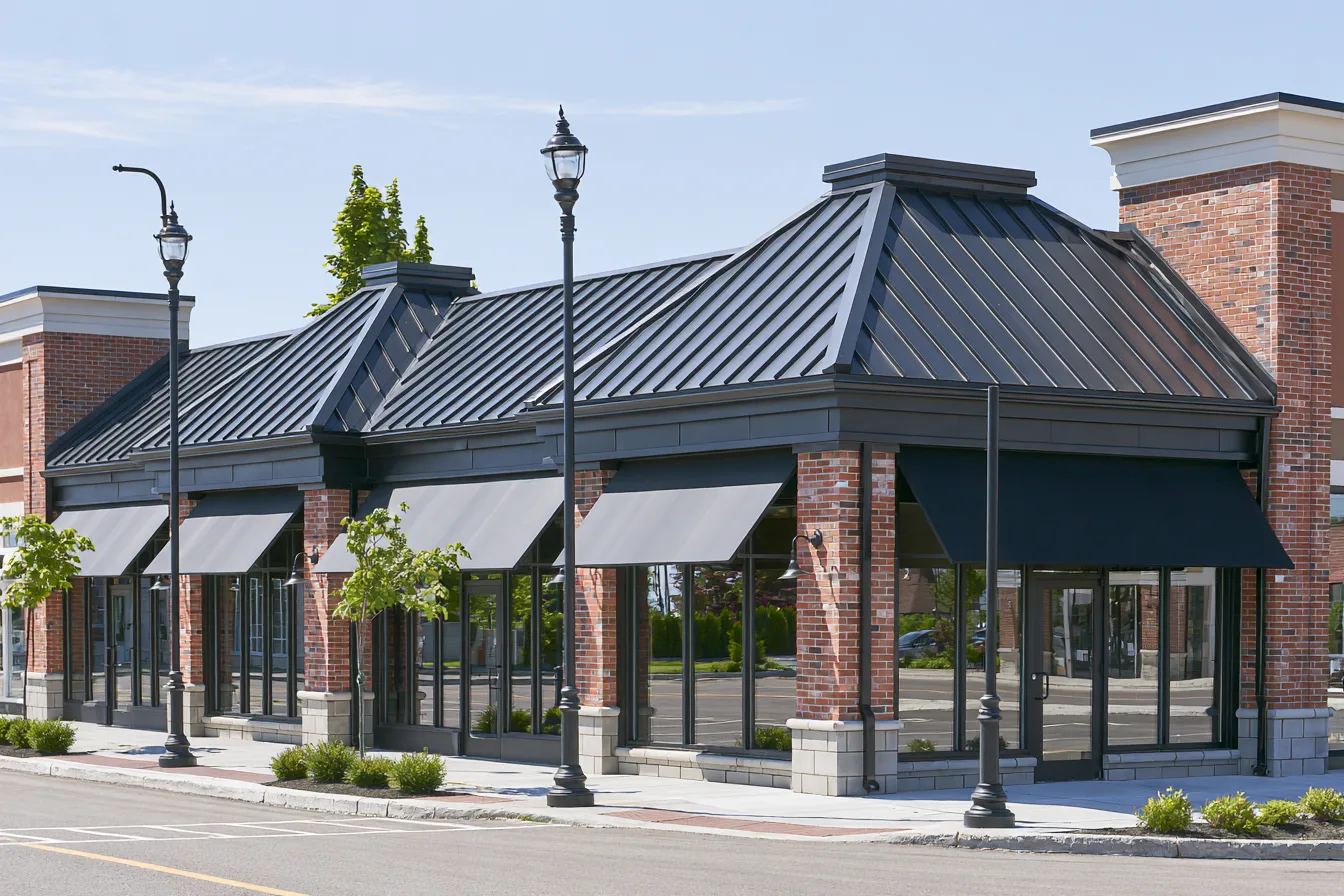
Roof repairs and commercial roofing help in Old Town Keller, planned around the actual building and the people using it.
In Keller’s Old Town business district, a roof leak can interrupt more than a room. If your property houses a shop, office or another occupied business, water entry can affect stock, equipment and the entrance people use each day. Those practical concerns need to be part of the roofing conversation.
The district name does not identify the roof system. If your building has shingles, repair depends on the covering and its connections. If it has a low-slope membrane, the water path and underlying assembly need a different assessment. A home in the area needs the same attention to the roof that is actually there.
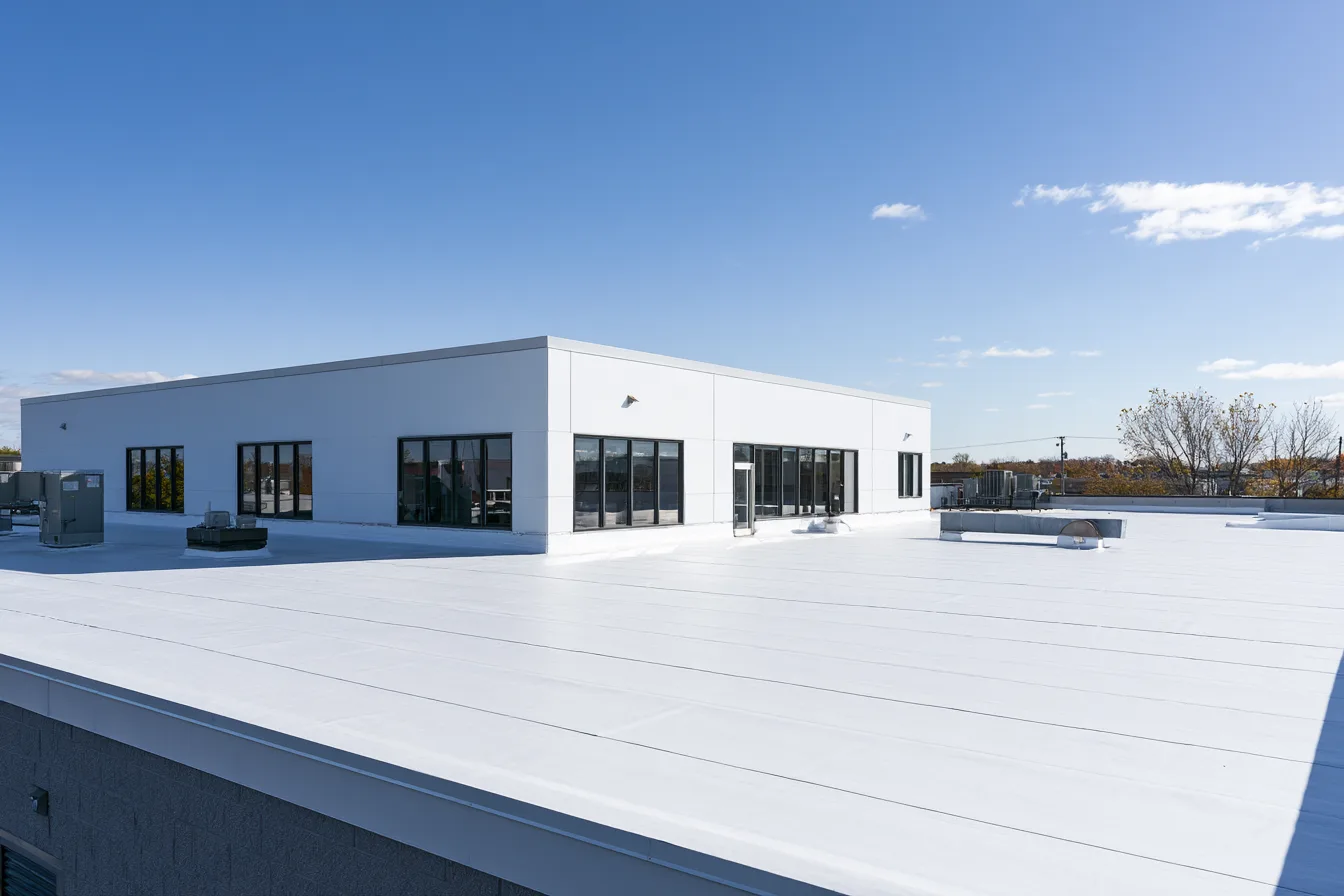
Water can enter at a roof surface, an edge or a connection to a wall or equipment curb. It can then travel before appearing indoors. The repair should follow that path rather than assume the opening is directly above the stain.
Tell us where the water affects the property and how that space is used. The inspection can then connect the roofing findings with the area that needs protection, while identifying any uncertainty about concealed layers or an adjacent wall.
The material and slope establish which repair details are appropriate.
Water above a customer entrance or sensitive contents changes the access conversation.
Wet or unsound material can enlarge the scope beyond the surface opening.
Access planning should reflect daily use, not assume that every property can simply close for roof work.
Discuss the routes used by occupants, visitors and neighboring premises.
Agree staging and debris handling in the space actually available.
Identify rooftop services or other trades affected by the work.
Weather, roof openings and the extent of repairs determine what sequence is practical. Uninterrupted operation is not promised.
A localized shingle or flashing repair needs sound adjoining material. Wider deterioration or a material change can justify a replacement discussion tied to the actual condition.
A compatible repair may restore an isolated defect. A coating requires a suitable, dry and sound roof; wet layers or poor support can require removal instead. The drainage route also needs to be understood.
Old Town is an established Keller district, but that alone does not establish a historic-material mandate for every roof. Confirm the requirements for the address and proposed exterior work with Keller Building Services before the roof work is scheduled.
A change from one roof material to another, structural work or new equipment openings can raise different questions from a local repair. The scope should be specific enough for the appropriate requirements to be confirmed. This page does not assume that every building is old or built with the same materials.
Requirements need to apply to this property.
Covering, structural work or equipment openings can raise different questions.
Keller Building Services can confirm the city requirements.
Yes. Include how the space is used and where water is affecting it. Access, entrances and phasing can then be considered with the roofing work.
No blanket requirement has been established here. The address, district rules and actual proposed change need confirmation with the city.
You do not need to identify the system before requesting help. The inspection starts with the actual roof and the concern you describe.
You can ask about a smaller business property or a home. Size does not remove the need for compatible repairs and a scope fitted to the building.
Request a free inspection for your Old Town property. Describe the roofing concern and how the building is used so the work can be discussed in context.