Access and roof shape
A steep roof changes access and handling. Multiple valleys, dormers and walls add cuts and flashing details. A tall roof or limited staging space can require more effort even when its area is similar to a simpler property.
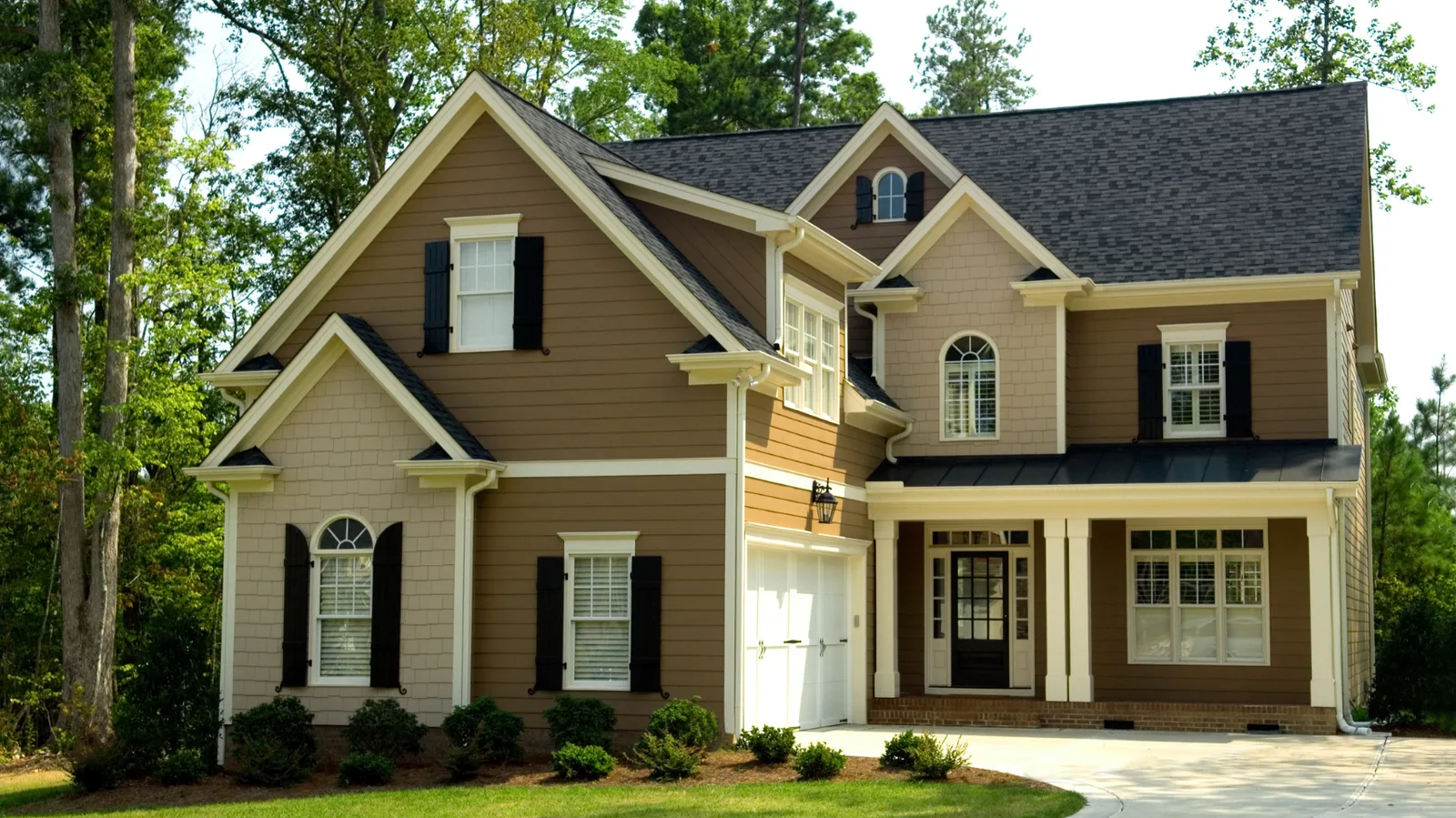
Understand the size, materials and physical work behind a Keller roofing price, with a clear example for early budget planning.
A roof price is useful when you can see what it buys. Covering a sound, accessible roof is different from removing wet layers, replacing damaged decking or rebuilding several wall connections. The material you choose is only one part of that scope.
Start with the example below to understand an early asphalt budget, then consider the roof conditions that can change it. The example does not diagnose your roof or predict what an insurer will pay.
This example uses roof surface area, not interior living area. It is a broad asphalt planning range, not a separate architectural, impact-rated or designer-shingle quote. Damaged decking, unusual access, complex details and upgrades can take an actual project outside it.
Source: Davis Roofing Solutions, DFW 2026 cost guide. The published Dallas-Fort Worth asphalt range is $4.50–$7.50 per roof square foot installed, including ordinary tear-off and disposal. Checked September 29, 2026.
| Illustrative asphalt replacement | Planning amount | Scope of the example |
|---|---|---|
| 2,000 sq. ft. of roof surface | $9,000–$15,000 | Installed asphalt covering with ordinary tear-off and disposal included. |
| Budget basis | A published DFW asphalt planning range | Regional observation checked September 29, 2026; not a Keller average or an offer. |
Use the roof cost calculator to change the example’s area assumptions. An inspection and measured scope are needed for a price on your property.
An installed roof price needs to identify the work between the old covering and the completed assembly. Ordinary removal and disposal are included in the planning example above, so they should not be added a second time simply because the old shingles must come off.
The actual proposal should specify the product and the supporting work: underlayment, edges, valleys, flashing and ventilation where applicable. Hidden deck damage is a separate uncertainty. The scope should explain how it will be handled if removal exposes material that cannot remain.
Which existing layers are coming off and how debris is handled.
The covering and supporting components being installed.
Damage or site conditions that cannot be fully priced from the surface.
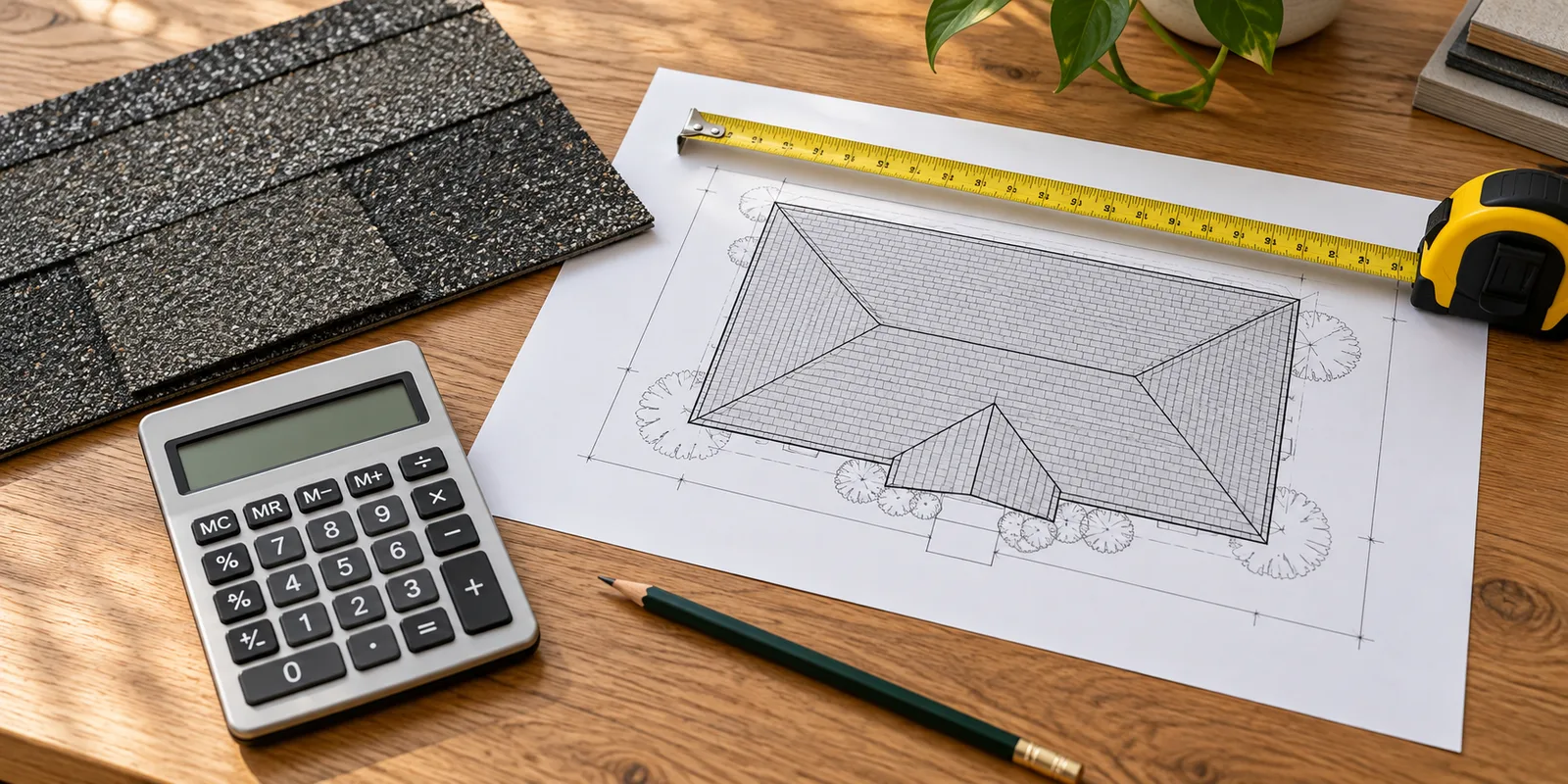
The area inside the house does not equal the area of the roof. Slopes increase the surface area above the footprint. Overhangs, a garage, porches and additions can change it again. A two-story house’s total living area can be especially misleading when used as a roof measurement.
You do not need to calculate those differences before requesting help. The tool offers an illustrative example and a place for measurements you already know. A property-specific price needs the actual roof area and details, rather than an assumption that every 2,000-square-foot house has the same roof.
A steep roof changes access and handling. Multiple valleys, dormers and walls add cuts and flashing details. A tall roof or limited staging space can require more effort even when its area is similar to a simpler property.
Material choice changes both the covering and its installation requirements. Finding damaged decking changes what must be removed and rebuilt. Those are physical reasons prices differ, not reasons to hide the scope behind one total. The useful price tells you which conditions have been accounted for and which remain uncertain.
| Spending decision | What this means for the work |
|---|---|
| Spending on a repair | A local repair can make sense where the surrounding material is sound and the detail can be reconnected properly. Its price reflects access and the work needed around the failed part, not only the size of the visible opening. |
| Planning replacement | When the roof cannot support durable local work, replacement addresses a larger assembly. Repeated repairs, wider deterioration and material changes should be weighed together. There is no universal percentage of replacement cost that makes every repair a poor choice. |
A roof’s price describes the work. Insurance payment depends on the policy, cause of damage, deductible and depreciation rules. The two numbers can differ even when damage is covered. Upgrades or other work outside the covered scope may remain the owner’s responsibility.
A roof insurance review explains the terms, but the insurer decides the claim. This planning example is not an insurance estimate and does not imply that only a deductible will be due.
No. It is an illustrative DFW asphalt budget based on a stated roof surface area and ordinary removal. Your actual roof, material and work need assessment.
Yes, ordinary tear-off and disposal are included in the stated asphalt model. It does not add a second removal allowance. Extra layers or unusual conditions need a project-specific scope.
Not necessarily. The example is roof surface area. Living area, footprint and sloped roof surface are different measurements.
No. Small repairs depend heavily on the detail and access, while commercial systems have different assemblies and operating constraints. Both need their own scope.
Request a free inspection for a price tied to the roof and the work. You do not need to arrive with measurements or a finished material selection.