Repair a sound section
A damaged joint, outlet or short run can sometimes be repaired without replacing all the gutters. Matching the profile and material, restoring the fall and fastening into sound support are part of that work.
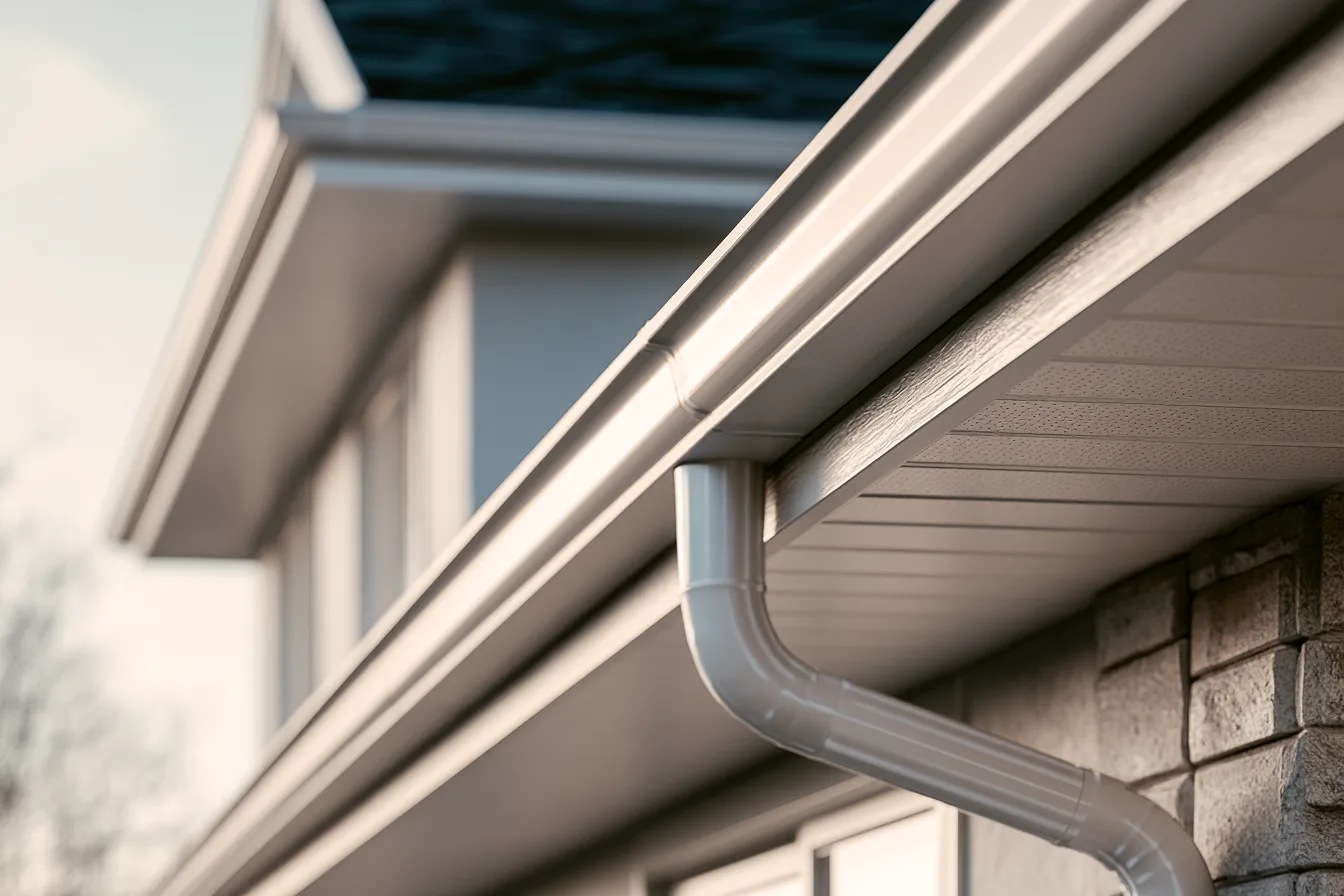
Get help with leaking, overflowing or loose gutters in Keller. The job starts with the route water takes off the roof.
A leaking seam, a sagging run and water overflowing at an outlet call for different work. Replacing the whole system may be unnecessary when the remaining gutter and its support are sound. Sealing one joint will not solve a run that no longer drains correctly.
The roof edge, gutter and downspout need to work together. The useful assessment follows that path and considers the wood and fasteners supporting the run, rather than treating every drip as the same repair.

Water may overflow because debris blocks an outlet, because the run has lost its intended fall, or because the collection and outlet arrangement does not suit the roof feeding it. A joint may leak even when the rest of the system drains well.
Loose attachment is another issue. The gutter needs a sound base to hold its slope under the weight of water and debris. Fastening it back to damaged fascia leaves the original weakness in place.
A joint or outlet may need repair or replacement with compatible material.
Pitch, sagging and outlet position can prevent drainage.
Attachment and the supporting fascia need to be assessed together.
A damaged joint, outlet or short run can sometimes be repaired without replacing all the gutters. Matching the profile and material, restoring the fall and fastening into sound support are part of that work.
Repeated separation, distortion or unsuitable capacity can make a new run the better scope. The proposal should identify the length, corners, outlets and downspouts being replaced, including any supporting wood work.
At the roof edge, runoff should pass into the gutter without soaking the wood behind it. Drip edge, fascia and gutter placement affect that connection. When a roof is being replaced, those details are worth considering together before each part is finished.
If fascia is rotten or loose, the supporting repair needs to happen before the gutter is reattached. That work can enlarge the scope beyond a visible leak. The downspout outlet also needs a suitable discharge route; gutter replacement alone does not establish that an underground drain or yard-grading problem has been solved.
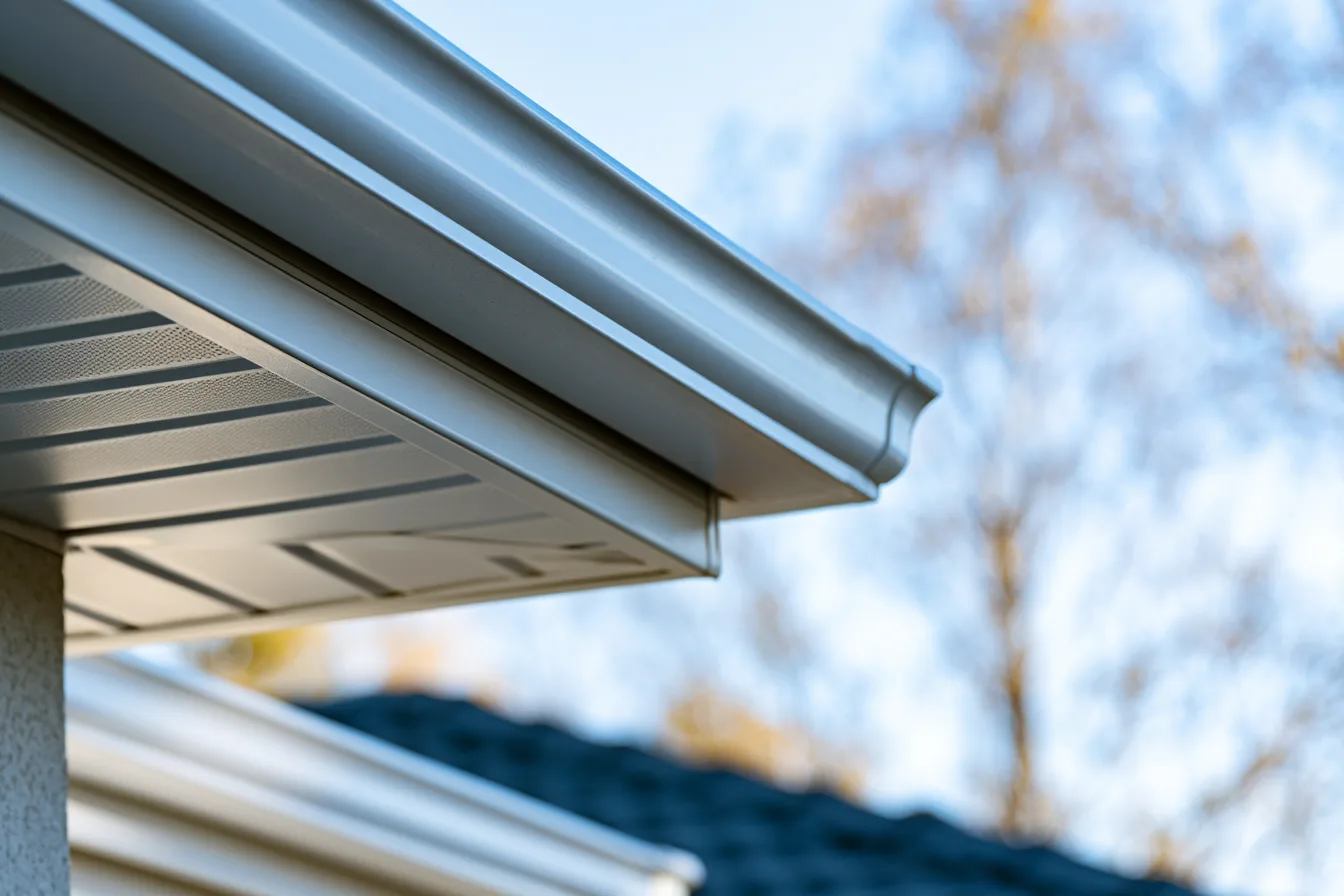
Longer runs, additional corners, greater height and limited access change the installation effort. The number and placement of downspouts matter too. The aim is a clear scope for the property, not a universal price per house.
Guards can reduce some debris entering the gutter, but they do not eliminate inspection and maintenance. Small material can still collect, and guards cannot correct damaged support, poor pitch or a restricted outlet. Their fit and cleaning access need to be part of the choice.
Not automatically. Sound gutters can sometimes remain, while the roof-edge relationship and protection during roof work are addressed. Separate gutter or fascia work should be clearly identified.
No. Overflow can also come from pitch, capacity, attachment or the outlet and discharge route. A guard is not a cure for those conditions.
Often the question can be limited to the affected run, but matching material and connections matter. The assessment should establish whether the remaining sections can support that approach.
Yes. Describe where you notice the water and when it happens. You do not need to climb a ladder or test the gutters yourself before asking.
Tell us where water is leaking or overflowing. A free inspection can help connect the gutter concern with the roof edge and its support.