Temporary weather protection
When water is entering, an appropriate temporary measure may help limit exposure until conditions allow durable work. Safe access, weather and material compatibility affect what is possible.
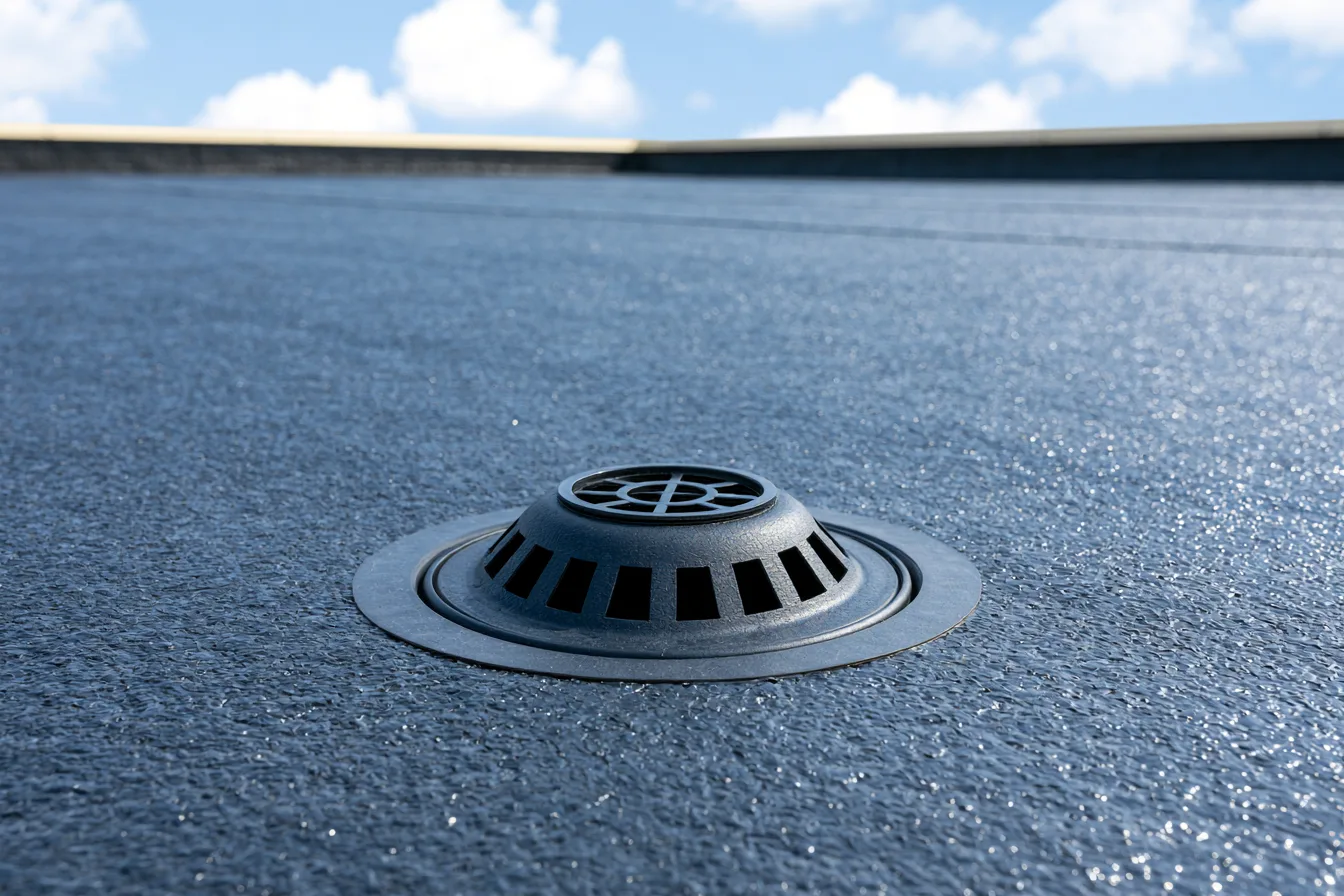
Get help with a recurring low-slope roof leak in Keller, including water-path tracing, drainage questions and work around occupied space.
A flat roof is designed to shed water even when its slope is difficult to see. When water reaches the occupied space below, the stain may be some distance from the opening above it. Water can move across or through layers before it finds a route indoors.
A useful repair starts by following that path and identifying the actual covering. The answer may involve a puncture, a roof-to-wall edge, an equipment curb or the drainage route. Repeatedly covering the area above the stain can leave the entry untouched.
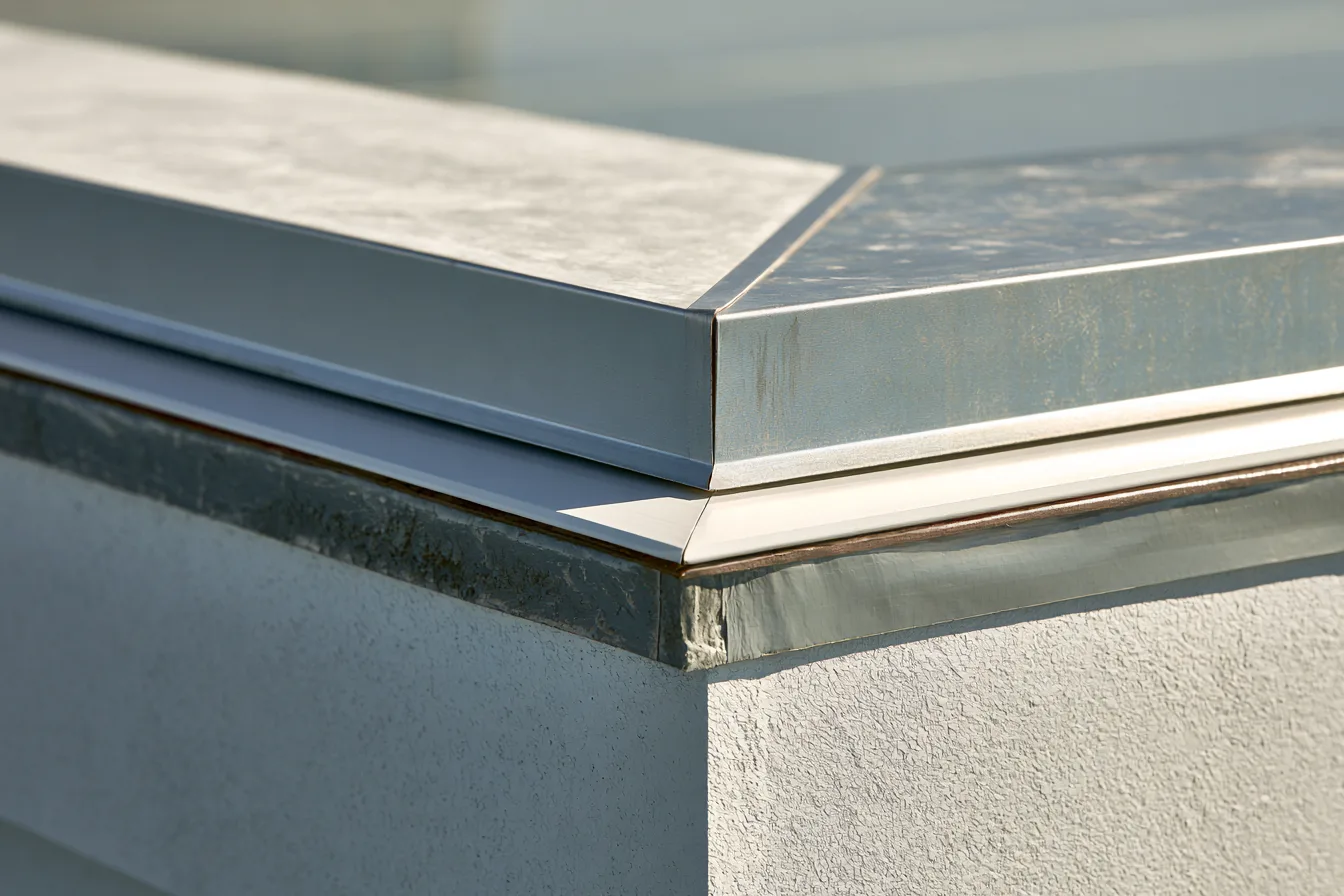
A local membrane opening and water trapped within the assembly are related but different issues. Closing the visible opening does not dry insulation that is already wet. The extent of affected material matters when deciding how much roof needs to come up.
The assessment also needs to distinguish roof entry from water entering at an adjacent wall or equipment detail. The repair scope should state which connection is being addressed and what further investigation is needed, rather than presenting every leak as a field-membrane patch.
Where runoff or wind-driven water gets past the surface.
How water travels through or beneath roof layers.
What is wet, unsound or no longer suitable to remain covered.
Water around a blocked outlet may drain once the restriction is addressed. Water held in a depression or behind an elevated drain is a geometry problem. Those conditions need different work, and a patch over the membrane does not change either slope or outlet height.
Drainage correction may involve the roof’s supporting layers, outlet details or a broader building design question. The scope should make that distinction clear. A coating can have service limitations around standing water and should not be used as a substitute for understanding why it collects.
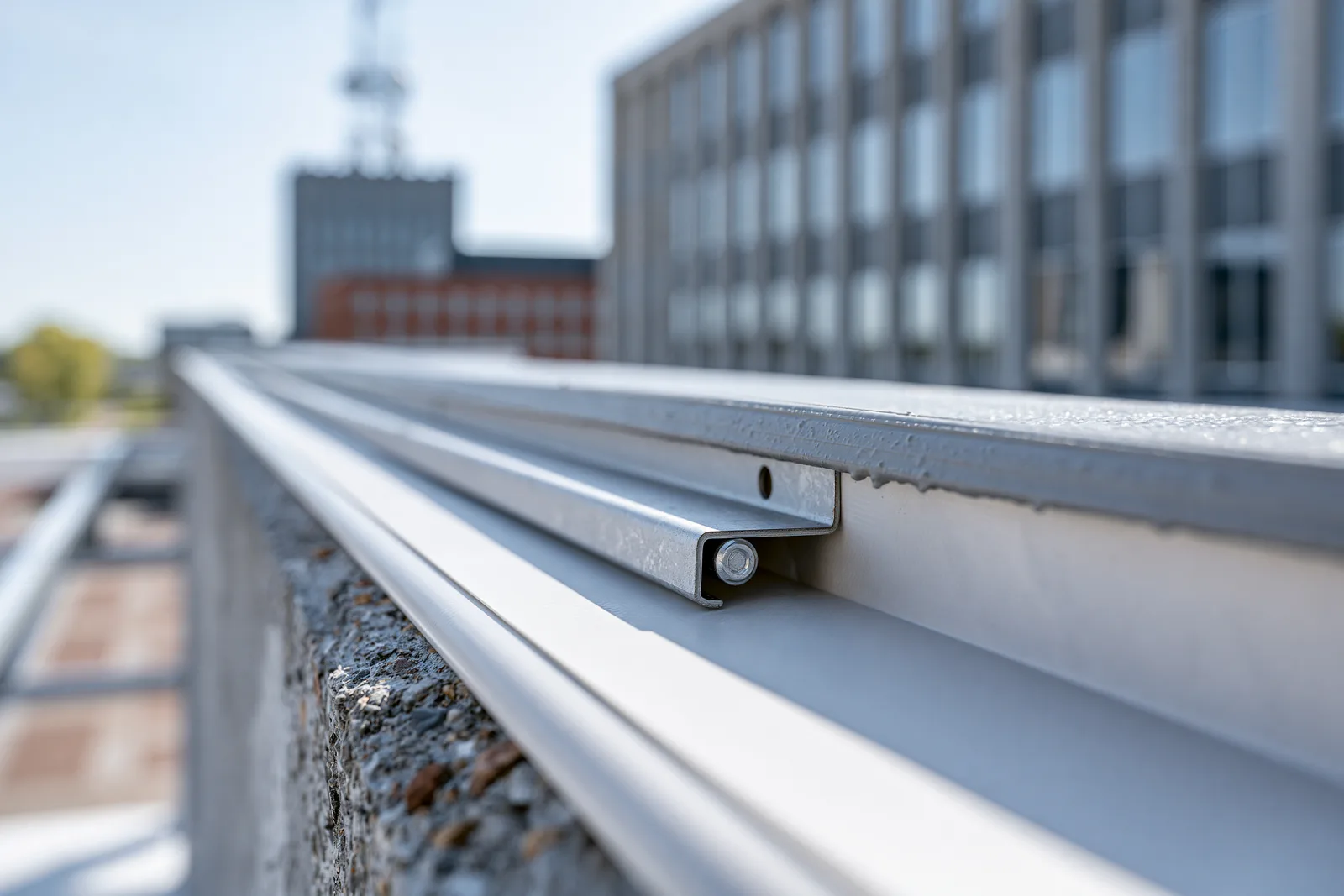
When water is entering, an appropriate temporary measure may help limit exposure until conditions allow durable work. Safe access, weather and material compatibility affect what is possible.
The final repair needs suitable preparation and compatible material connected to sound roofing. Wet or unstable underlying material can enlarge the opening needed to make that repair. Its scope should be understood before the surface is closed again.
Some repairs can be confined to one area. Wider moisture or repeated failures may require a planned sequence of removal and replacement.
Identify where the leak threatens people, stock, equipment or occupied rooms.
Discuss entrances, roof access, staging and any sensitive operation below the work.
Weather and the extent of the affected assembly determine how much can be safely addressed at once.
If local work would leave the same failing conditions nearby, compare a wider scope rather than repeating isolated patches.
Yes, you can ask about a small residential low-slope section. The covering and slope determine the repair; it should not automatically receive the same material as the main shingle roof.
Water paths, collection and concealed wet material can take time to become apparent indoors. The timing is useful context, but the roof and drainage need assessment before deciding the cause.
That can be discussed when planning access and phasing. The work and building use determine what is practical; uninterrupted operation is not guaranteed.
No. Describe the building and the leak. The roof system can be established during assessment.
Tell us where water is affecting the property and how the space is used. A free inspection can start the leak-path and repair conversation.