Why a roof can leak after windy rain
A ceiling stain that appears after windy rain is a reason to look at the roof’s water-shedding connections. It is not a diagnosis of one failed part.
Ask about your roofThe rain changes direction; the roof still needs overlaps
Roofing laps are arranged to move water down the slope and over the next layer. Wind-driven rain can reach an exposed connection from a different direction or put more water against a vulnerable detail. That can reveal an opening which was less noticeable during an earlier shower.
It does not follow that every leak after wind means shingles were torn off. A wall intersection, an edge or a valley may be involved, and existing deterioration can affect the result. The repair needs to address the actual path instead of replacing the part that first comes to mind.
Keller Roofing Co can help with a free roof inspection when you have noticed a new leak. Tell us when it appears and where it affects the house; there is no need to climb up to identify the cause.
The ceiling stain is only one end of the path
Water can move along the underside of roof material or a framing member before it drops onto the ceiling. The mark indoors is one end of that journey. A stain near a wall does not by itself prove that the wall flashing is the entry point.
The timing gives useful context too. Water that becomes visible after a longer rain may have collected before finding its way inside. The assessment follows the likely route and considers the covering and connections above it, rather than treating the ceiling stain as the boundary of the roof repair.
A surface patch can leave the failed connection below it
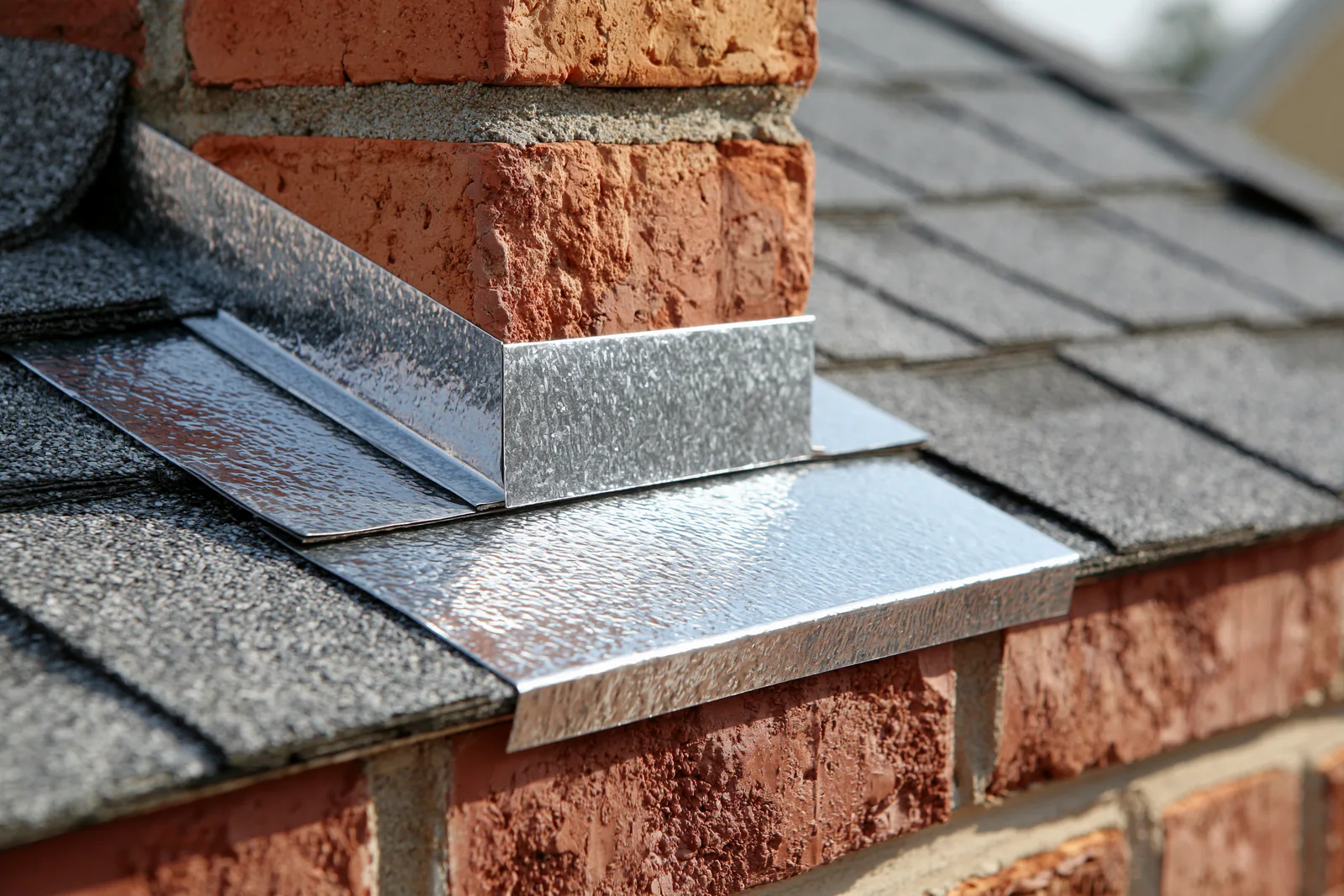
Sealant can be part of a specified roof detail, but a visible surface patch does not restore a missing overlap or damaged base beneath it. If adjoining shingles cannot be lifted without breaking, or removal exposes unsound decking, the repair may need to reach farther than the opening you can see.
That is why a recurring leak deserves a fresh look at the connection. Adding another layer of patching material may conceal the same unresolved path. A durable repair needs suitable preparation and a connection to sound roofing.
The roof repair guide explains how those findings change the scope. It is possible for a small indoor symptom to require more detailed work without every leak becoming a whole-roof replacement.
What to do while the leak is active
Stay off the roof and describe the concern from a safe place. Keep clear of a sagging ceiling or water near electrical fittings. If there is immediate danger, seek the appropriate emergency help rather than relying on a roofing website request.
Mention active water entry when you contact us. Temporary protection may help limit exposure where conditions allow, but it serves a different purpose from the permanent repair. Safe access, weather and the material determine what can be done.
You do not need the roof’s full history to ask for help. If you know of a previous repair or a recently installed vent or other opening, that information can be useful. The roof’s current condition remains the basis for the work.
Get help with the leak at its source
If windy rain has brought a new leak to your Keller home, request a free inspection. Start with the path of the water and the work needed to restore the connection.
- Free roof inspections
- Clear scope and material choices
- Questions about your property welcome